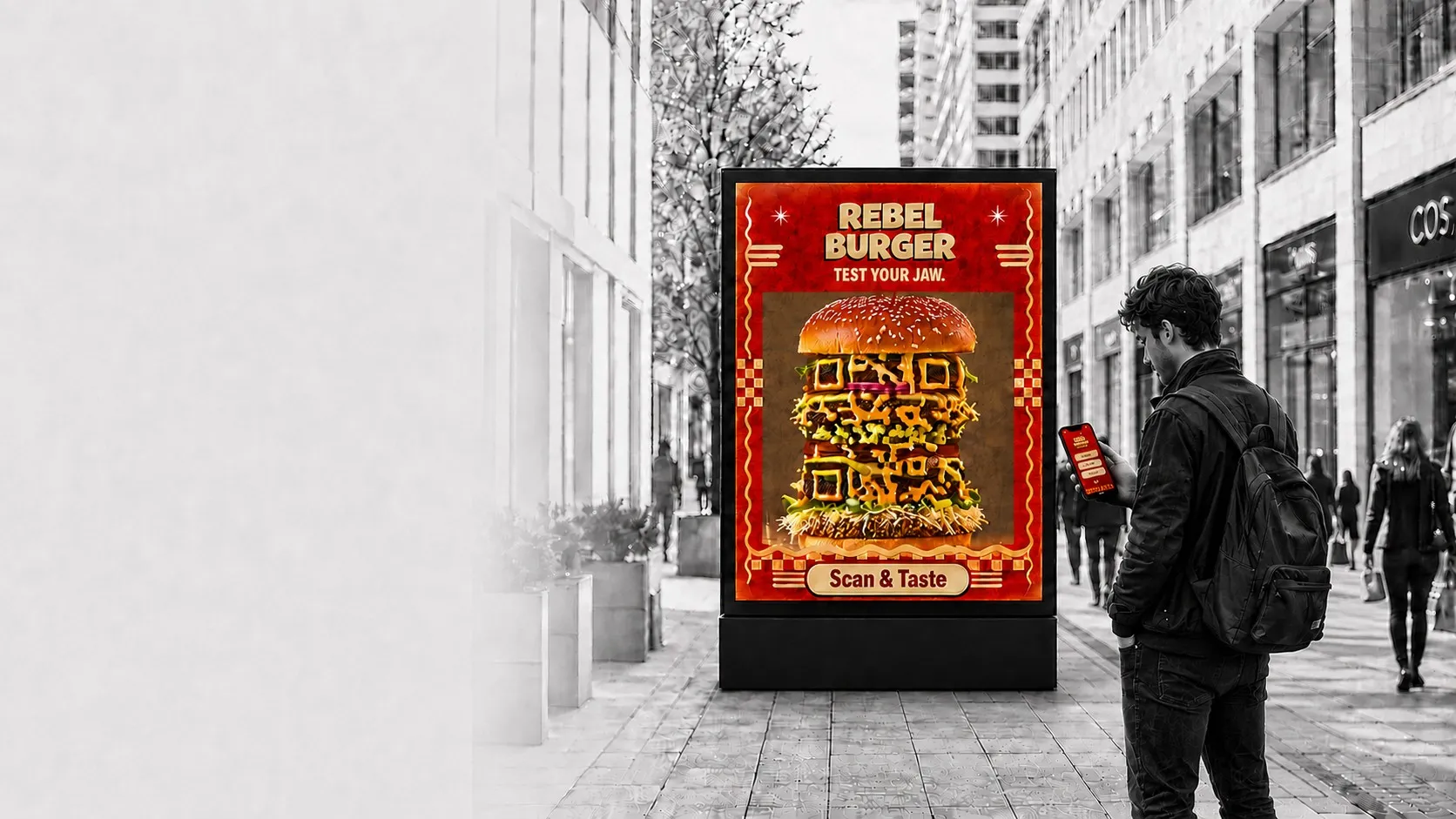
A QR code can feel like a digital scar. StoryCodes® make scanning part of
the creative — attracting attention, sparking curiosity and inspiring action. They
scan just like regular QR codes, while the StoryCodes Experience Platform delivers
flexible, interactive and measurable experiences after every scan.
We hear this question often. A general AI tool can generate an attractive image
— or something that resembles an artistic QR code. But a prompt alone cannot
consistently preserve an encoded URL, offer meaningful creative freedom and produce a
code reliable enough for real advertising.
That is why we built our own advanced artistic QR code generator specifically for
advertising. It combines multiple AI models, specialised generation methods, dozens of
adjustable parameters and an extensive library of presets. Together, they determine how
the encoded structure, composition, contrast, visual detail and creative style interact.
Creating a StoryCode is therefore not a one-prompt process. It is a
controlled workflow of generation, evaluation, refinement and real-world scannability
testing, adapted to the brand, campaign and media surface. That combination of
technology, presets, testing and accumulated expertise — not the prompt — is
what makes StoryCodes difficult to reproduce reliably.
A QR code generator for advertising
StoryCodes takes the familiar capabilities of a QR code generator — linking to any
URL, updating destinations and measuring scans — and adapts them to the realities of
advertising. Every StoryCode can be managed by campaign, creative, placement and media
surface, while the Experience Platform determines what audiences discover after scanning.
As more campaigns run, performance data helps us identify which scannable experiences
generate the strongest results for different campaign objectives and channels, from
connected TV and (D)OOH to print and packaging.
Every StoryCode contains an encoded URL. This will usually be a short link
to the StoryCodes® Experience Platform, which then delivers the experience
the marketer has defined. That experience can be updated, personalised and measured without
changing the StoryCode itself.
We can also embed a URL that links directly to your website or campaign page. However, the
longer the URL, the more data the StoryCode must encode. This creates a
denser, noisier structure, leaving less visual freedom and potentially reducing
scannability. Using a short platform URL gives us the greatest flexibility to combine
creative quality with reliable performance.
Both StoryCodes below use the same generation prompt and produce a very similar image
— the difference is the length of the encoded URL, one short and one long.
Short URL
Clean structure, reliable scan
Long URL
Too much noise to scan reliably
A harder target for quishing
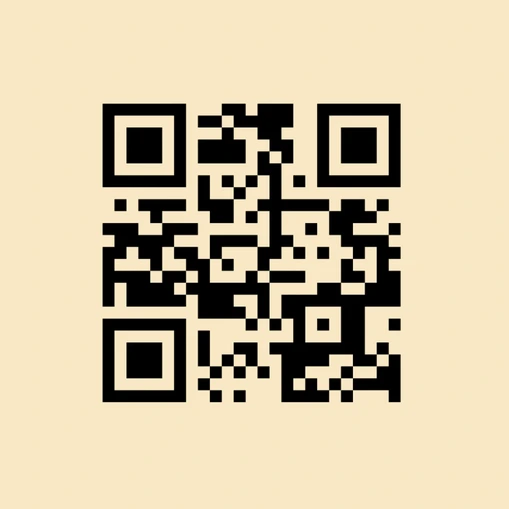
A generic black-and-white QR code is easy to counterfeit: every one looks the same, so a
fraudulent sticker placed over a real code is invisible to the eye. This exact
vulnerability — often called quishing, or QR code phishing — has been flagged
publicly by the FBI and FTC, and QR codes now appear in roughly one in eight phishing
attacks.
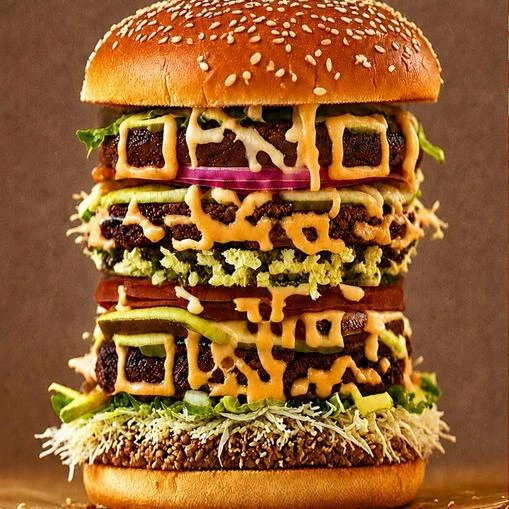
A StoryCode is different. Whether it is integrated into the campaign
creative or added as an overlay, it is a visually complex and distinctive image rather
than a standardised black-and-white pattern. Replacing it convincingly would require
recreating its specific combination of imagery, colour, texture and encoded structure
around a different malicious URL — not simply generating another QR code and
printing a sticker.
Once generated, every StoryCode is tested for real-world scannability. We
scan it with different devices and cameras, from different angles and distances, and under
varying lighting conditions. We also consider how and where it will appear — from a
magazine held in someone’s hands to a billboard viewed from across the street.
If necessary, we adjust the design and test it again. Because a StoryCode
should not only look remarkable — it has to work when your audience sees it.
One campaign across multiple channels
Use one StoryCode across OOH, print, packaging and Pause Ads for a shared
experience and a unified view of engagement.
For channel-specific journeys, visually consistent StoryCodes® can
link to different experiences — preserving campaign consistency while
delivering greater relevance and more granular analytics.
From Classic QR Codes to Fully Integrated StoryCodes®
Choose how scanning fits into your campaign — from a familiar QR code to a
StoryCode designed as part of the campaign visual. Every option can connect to the
StoryCodes® Experience Platform for dynamic content and measurable
interactions.
StoryCodes® integrated into the campaign visual
A StoryCode is designed into the campaign visual rather than added as a separate QR element. It can take shape through products, characters, textures or complete scenes — or become part of a complete Pause Ad created from your brand assets and campaign message.
Already have finished campaign creative? We can add a distinctive StoryCode as a scannable visual layer, introducing interaction without rebuilding the original design.
Branded QR codes
When a familiar QR format is preferred, we customize it with your brand colours, logo and visual identity. It remains instantly recognizable as a QR code while fitting naturally into the campaign.
Classic black-and-white QR codes
For campaigns where simplicity and familiarity come first, choose a conventional QR code. Connected to the StoryCodes® Experience Platform, it still supports updateable destinations, contextual content and scan analytics.
Stay in the loop
Join our newsletter
Subscribe now & get the latest in marketing news, insights, and event invitations from
StoryCodes®.
We only use your address to send StoryCodes updates, and you can unsubscribe from any email.
See our Privacy Policy.
We use analytics cookies
We’d like to use Google Analytics and Microsoft Clarity to understand how this site is
used, so we can improve it. Nothing runs until you accept. Read our
Cookie Policy.